
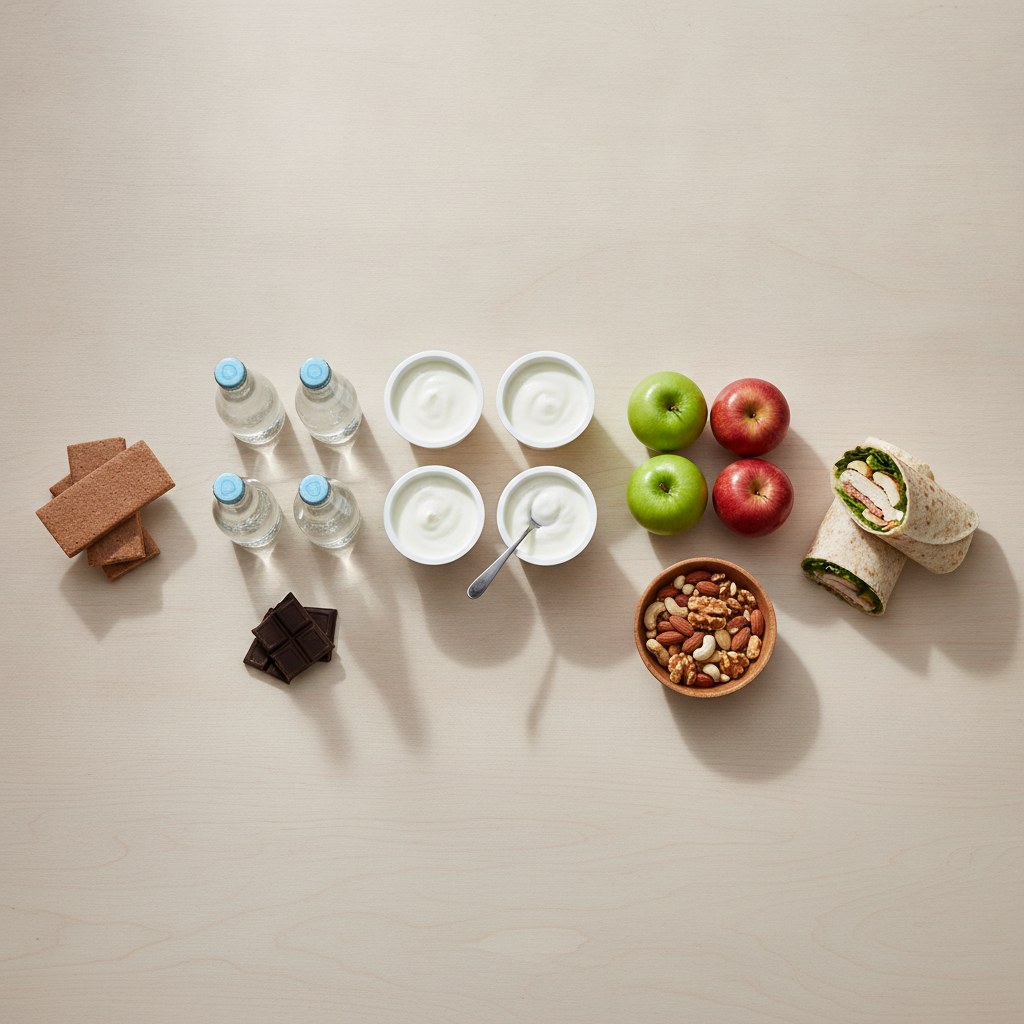
What a Healthy Vending Machine Actually Looks Like in a Gym
If you run a gym or boutique studio in New Jersey, you already know the post-workout problem: members want a cold drink or a protein bar before they hit their car, and if you don’t have it, the bodega two blocks away does. The catch is that traditional snack machines with spiral coils and Doritos bags don’t fit the vibe of a gym that sells wellness. The good news is the equipment that works for fitness spaces today isn’t a snack machine at all — it’s a glass-door smart cooler with a tap-to-pay reader. Members tap a card or phone, the door unlocks, they grab what they want, and the door relocks. No coils, no jammed bags, no shaking the machine.
That single equipment change is what makes a healthy product mix viable. Refrigerated coolers can hold protein shakes, cold-pressed juice, Greek yogurt, hard-boiled eggs, fresh fruit cups, overnight oats, and recovery drinks alongside bars and jerky. A coil machine can’t.
Bergen & Hudson County Gyms: What Members Actually Buy
We service fitness locations across Bergen and Hudson County gyms — everything from CrossFit boxes in Hackensack to boutique pilates studios in Hoboken and large commercial floors in Edgewater, Jersey City, and Fort Lee high-rises. The buying patterns are remarkably consistent:
- Right after class peak (6–8am, 6–8pm): Cold protein drinks and electrolyte beverages dominate. Fairlife, Core Power, Owyn, Body Armor Lyte.
- Midday lulls: Bars and jerky outsell drinks. RXBAR, Built Bar, Chomps, Perfect Bar.
- Weekends: Cleaner labels move faster — members read ingredients on Saturday mornings in a way they don’t on a rushed Tuesday.
One specific insight that surprises most gym owners: plain bottled water is still the #1 SKU, even in a gym selling $4 smoothies at the front desk. Members who forgot a bottle won’t walk to the smoothie bar and wait — they’ll grab water from the cooler in five seconds. Stock it deep, price it fair ($1.50–$2), and let it be the loss-leader that drives traffic to the higher-margin recovery drinks next to it.
The Product Mix That Works
For a typical Bergen County studio of 200–600 active members, we usually start with this split inside a double-door smart cooler:
- 40% beverages (water, electrolytes, protein shakes, kombucha)
- 30% protein-forward snacks (bars, jerky, hard-boiled eggs)
- 20% functional snacks (nut butter packs, trail mix, Greek yogurt)
- 10% indulgence-but-better (Quest chips, Skinny Dipped almonds)
That last 10% matters. A 100% “clean” machine actually underperforms — members want the option to reward themselves after a hard session. Removing it entirely just sends them elsewhere.
Why Equipment Choice Drives the Whole Program
The reason most gym vending programs fail isn’t the snacks — it’s the machine. Old coil machines force you into shelf-stable junk because that’s what fits the spiral. They also can’t take Apple Pay without a clunky retrofit, and Gen Z and millennial gym members increasingly don’t carry cards, let alone cash.
A smart cooler solves both problems. Because it’s just a refrigerator with a payment reader, you can stock anything that fits on a wire shelf — including items with 7-day shelf lives that we rotate weekly. And because it runs on tap-to-pay by default, transactions take under two seconds. For larger facilities, a micro market setup adds open shelving for room-temperature items and a self-checkout kiosk, which works well for gyms with a lounge area or co-working space attached.
What It Costs the Gym Owner
For most fitness locations we work with, the equipment, stocking, servicing, and payment processing are all handled by us at no cost to the gym. You provide the floor space and a standard outlet; we provide the cooler, the inventory, and the restocking schedule. Members pay at the machine, and we share revenue back depending on volume. The full structure is on our services page, but the short version: it’s a no-cost amenity that adds an ancillary revenue line and stops your members from leaving the building for a recovery drink.
Getting Started
If you’re a gym owner in Bergen or Hudson County weighing this, the two questions worth answering first are: (1) where in your floor plan would a 30-inch-wide cooler actually fit without blocking flow, and (2) what’s the rough split of your member base between AM commuters and PM after-work crowds? Those two answers shape the product mix more than anything else, and they’re the first things we ask on a walkthrough.